MedeA Gaussian GUI: Expanding the Limits of Computational Chemistry
At-a-Glance
MedeA®[1] Gaussian GUI provides a graphical user interface to the quantum chemistry code Gaussian. Gaussian is the software of reference for the quantum chemist. It includes the widest range of quantum chemical methods, including most of the known semi-empirical, DFT, time-dependent, Hartree-Fock, and post-Hartree-Fock methods, as well as a large library of electronic basis sets.
Key Benefits
Saves company R&D budget by speeding up research
Efficient GUI gives access to Gaussian
Fully integrates in the MedeA Environment
Benefits from all MedeA functionalities (High Throughput, etc.)
Offers the widest range of quantum chemical methods and computed molecular properties
Offers access to the gold standard of molecular properties from high level quantum chemistry
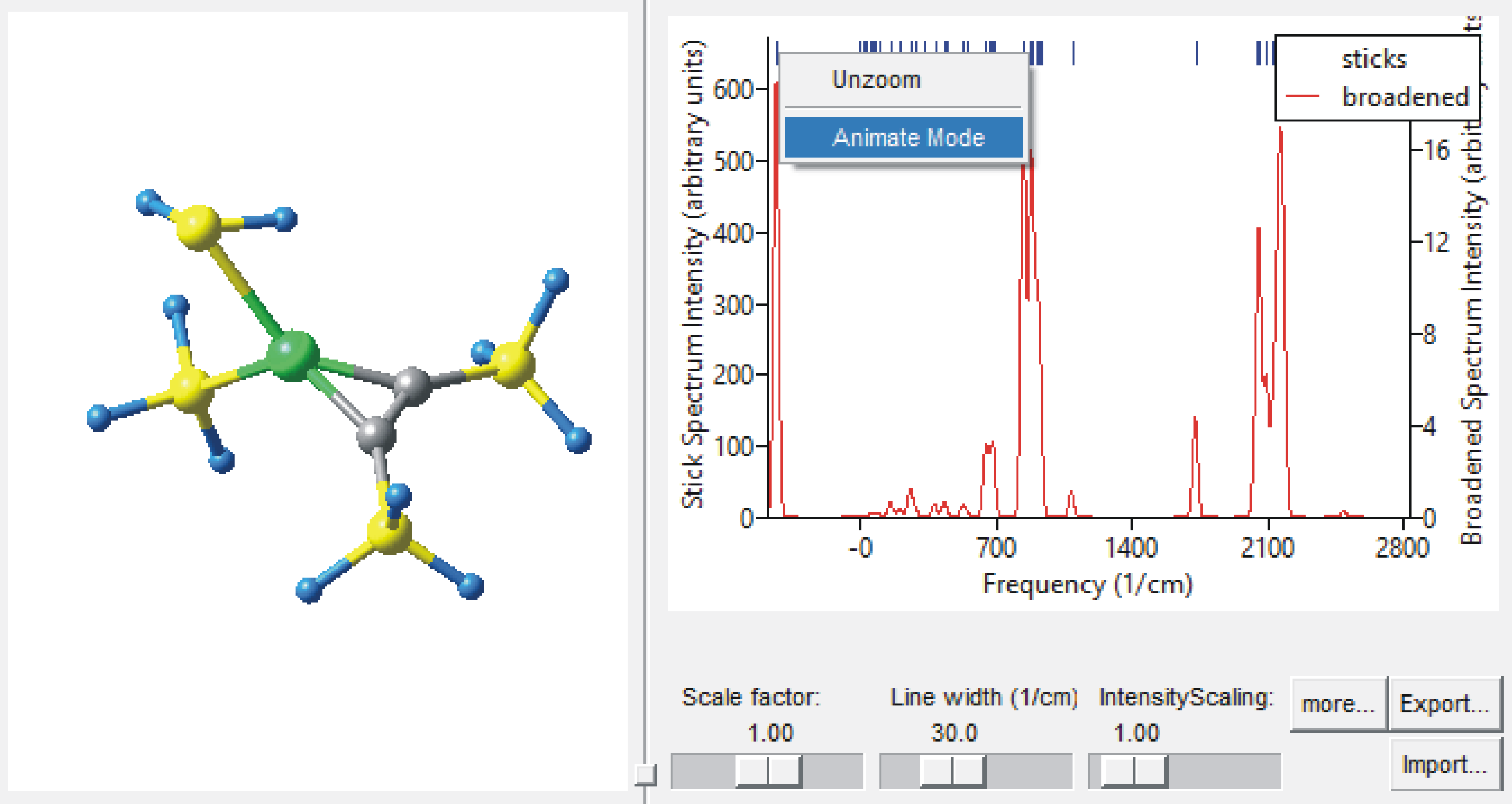
Animation and visualization of normal modes of vibration calculated with Gaussian in MedeA [1]
Key Features
Full integration of Gaussian into the MedeA Gaussian GUI
Easy preparation and submission of routine calculations through the MedeA JobServer and TaskServer
Generation of valuable results in the computational, high-throughput, and Big Data oriented environment of MedeA
Access to the results and properties in convenient summary files
Visualization in the MedeA graphical environment, as shown in the animation of normal mode of vibration, molecular orbitals, and electrostatic potential figures
Gathering and tabulation of Gaussian data and properties, using the MedeA HT-Launchpad to constitute molecular databases
Complete access to all Gaussian input directives, to create any specific calculation protocol and property calculation, which are readily accessible in the standalone Gaussian software
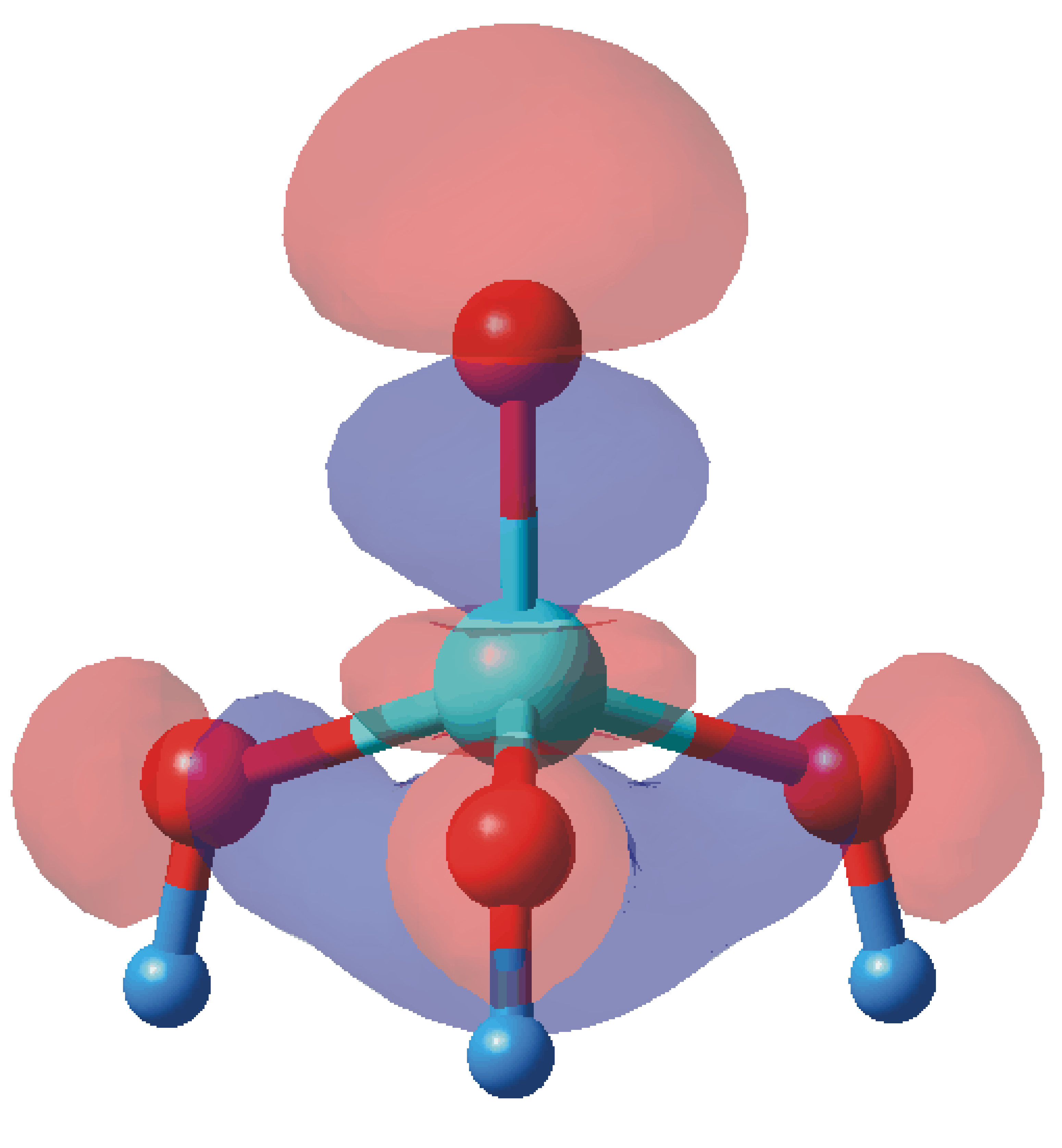
Visualization of Gaussian molecular orbitals calculated with MedeA [1]
Theory attracts practice as the magnet attracts iron.
Carl Friedrich Gauss
Properties from Gaussian
Antiferromagnetic coupling
Atomic charges
Dipole moment
Electron affinities
Electron density
Electronic circular dichroism (ECD)
Electrostatic potential
Electrostatic potential-derived charges
Electronic transition band shape
Gibbs free energy of solvation
High accuracy energies
Hyperfine coupling constants (anisotropic)
Hyperfine spectra tensors (including g tensors)
Ionization potentials
IR and Raman spectra
Pre-resonance Raman spectra
Resonance Raman spectra
Molecular orbitals
Multipole moments
NMR shielding and chemical shifts
NMR spin-spin coupling constants
Optical rotations (ORD)
Polarizabilities and hyperpolarizabilities
Raman optical activity (ROA)*
Thermochemical analysis
UV/Visible spectra
Vibration-rotation coupling
Vibrational circular dichroism (VCD)
Vibronic (absorption and emission) spectra
The vibrational properties are obtained within the harmonic approximation and include (optionally) anharmonic effects
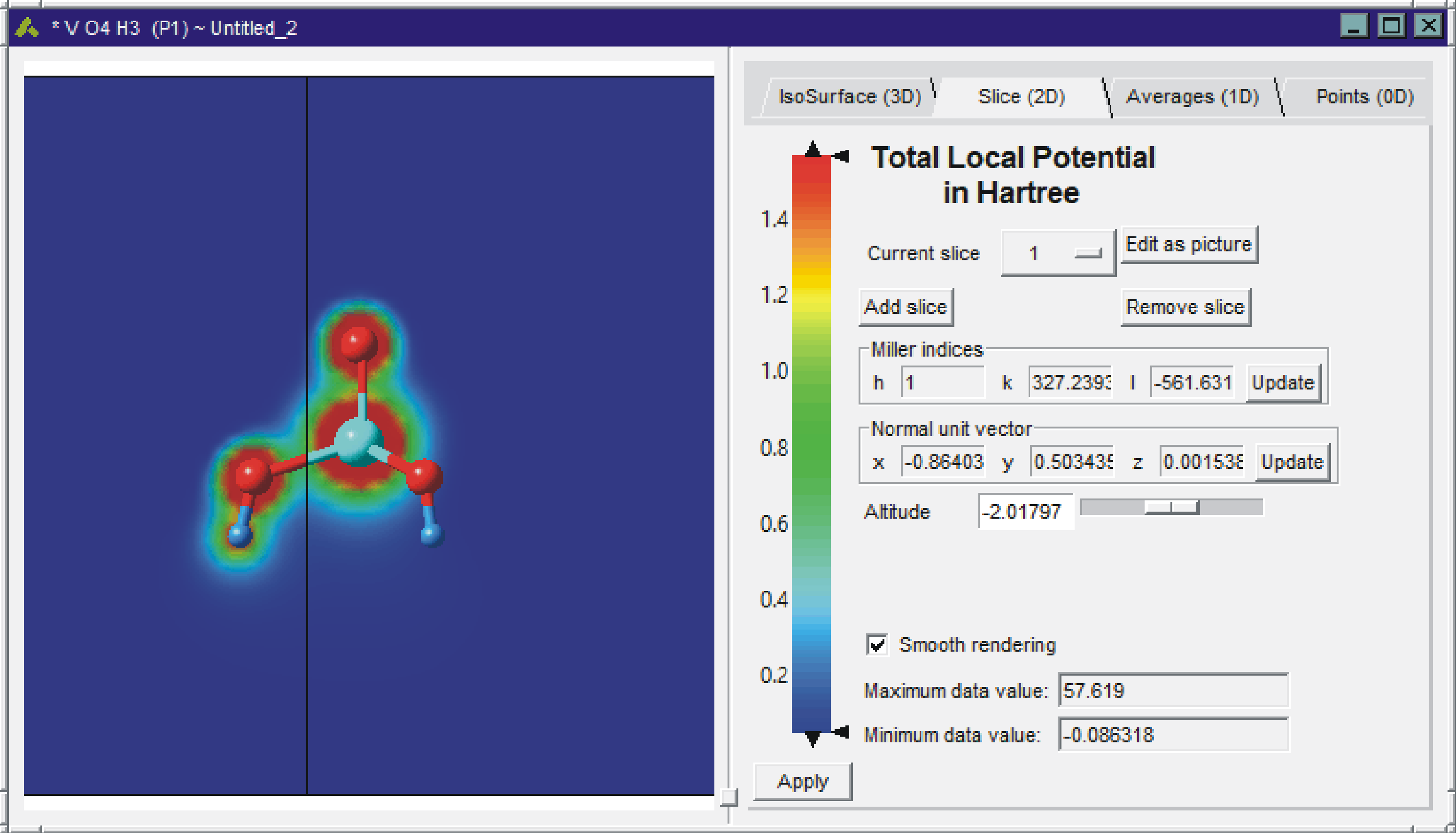
Visualization of electrostatic potential calculated with Gaussian in MedeA [1]
Required Modules
MedeA Environment
MedeA Gaussian GUI
Recommended Modules
MedeA HT-Launchpad
MedeA HT-Descriptors
Find Out More
Find out how the MedeA Gaussian GUI can be employed from our webpage Materials Design Application Notes:
Energies of stable conformers in heavy alkanes and triglycerides using MedeA
Learn more about the MedeA Molecular Builder by watching How to Build a Complicated Molecule (MMA) on the Materials Design Youtube Channel.
- download: